Apple Spatial Audio launched with iOS 14 back in 2020 and has only evolved over time. But with the next Apple announcement on the horizon, will more changes be coming to the audio software?
Apple Spatial Audio has been a headlining feature for premium Apple audio devices since its launch in 2020; Apple took things one step further with the announcement that Spatial Audio can work in conjunction with Dolby Atmos in 2021, giving Apple Music lovers the option to listen to songs with the immersive surround-sound technology.
With the announcement of the coveted iPhone 15 range of handsets creeping ever closer, we’re keeping a close eye on all things Apple. While nothing has been confirmed, this latest keynote could bring about even more changes to Apple Spatial Audio.
With that in mind, we will be running through everything you need to know about Apple Spatial Audio, including how it works and which devices it’s supported on.
What is Apple Spatial Audio?
Spatial Audio is a 3D audio technology that creates a more immersive soundscape with compatible Apple products by using dynamic head-tracking for a ‘theatre-like’ experience.
With Spatial Audio, Apple says that sounds can be placed “virtually anywhere” in the hemisphere. The technology works with 5.1 and 7.1 soundtracks, as well as Dolby Atmos object-based audio.
How does Spatial Audio work?
Spatial Audio with dynamic head-tracking uses the accelerometer/gyroscope in iOS devices in combination with directional audio filters and subtle adjustment of the frequencies that each ear receives to place sounds “virtually anywhere” within a hemisphere of sound.
The effect is to immerse the listener with effects all around them. And as the sound field stays mapped to the iOS device through the dynamic head-tracking functionality, when you move your head, “the voice stays with the actor or action on-screen.”
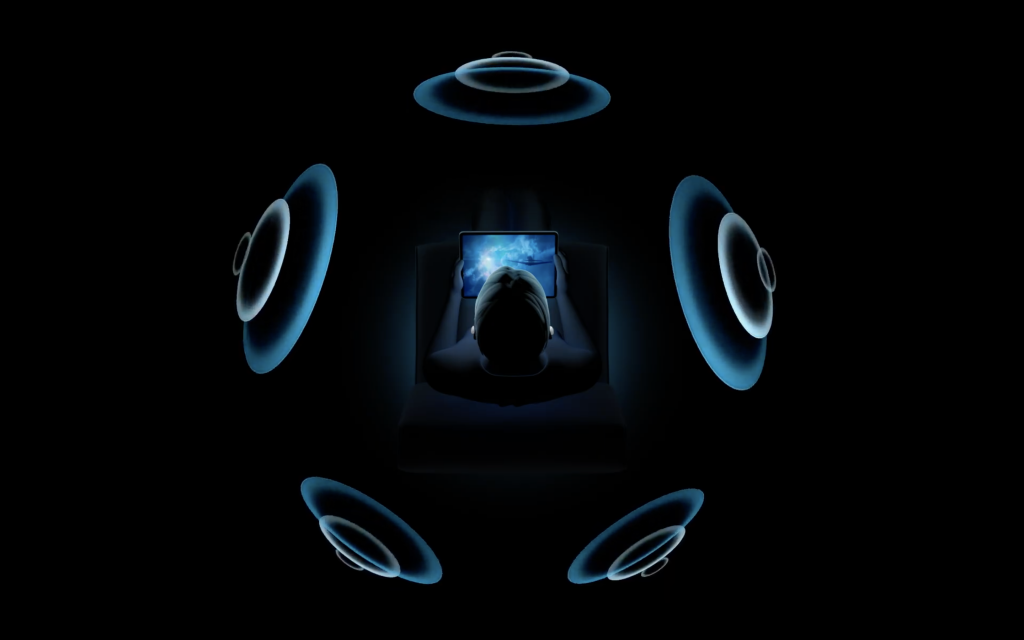
Spatial Audio with Dolby Atmos works differently in that there is no head tracking. As a result, you don’t need a pair of Apple headphones to enjoy this version of the feature. In fact, any headphones will do.
Apple Music will default to automatically play Dolby Atmos tracks on all AirPods and Beats headphones that feature the H1 or W1 chip. To get Spatial Audio with Dolby Atmos working on any pair of headphones, you just need to enable Atmos to ‘always on’ in the settings.
What is Personalised Spatial Audio?
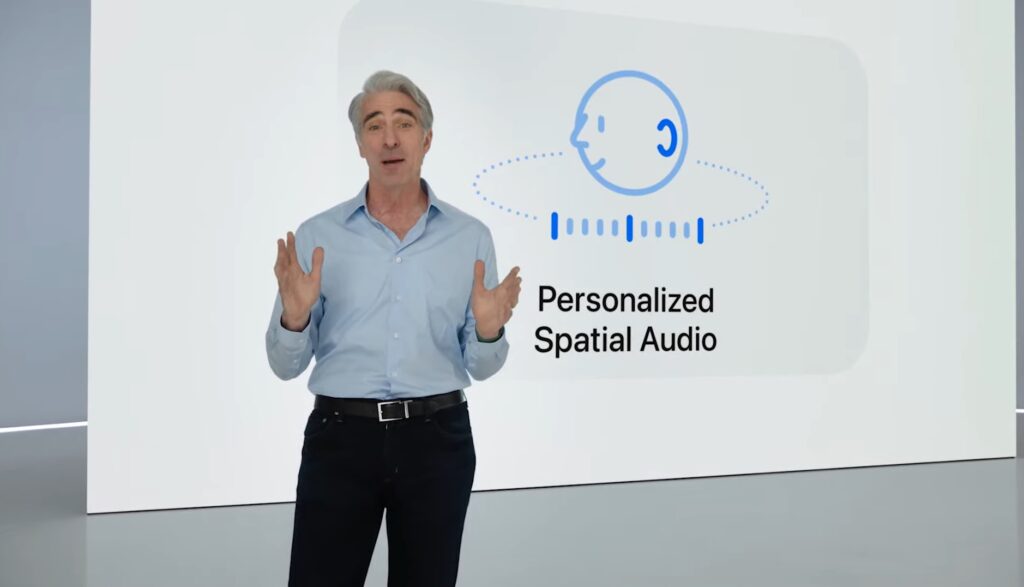
At WWDC 22, Apple announced an enhanced version of its Spatial Audio technology that will feature in iOS 16. Personalised Spatial Audio is said to enable an even more “precise and immersive listening experience”, by allowing iPhone owners to use the TrueDepth camera to tune the performance, especially for the user.
Spatial Audio for AirPods has been advanced to better understand the geometry between your head and ears to create a more focused presentation, and it is a feature that can be utilised using the AirPods Pro 2.
What iOS devices and apps support Spatial Audio?
Spatial Audio with dynamic head-tracking is restricted to iOS devices. Thus, you’ll need the following hardware/software to sample it.
With regards to video streaming apps, Apple TV+, Disney+, and Netflix, along with US-based streaming services HBO Max and Hulu support it.
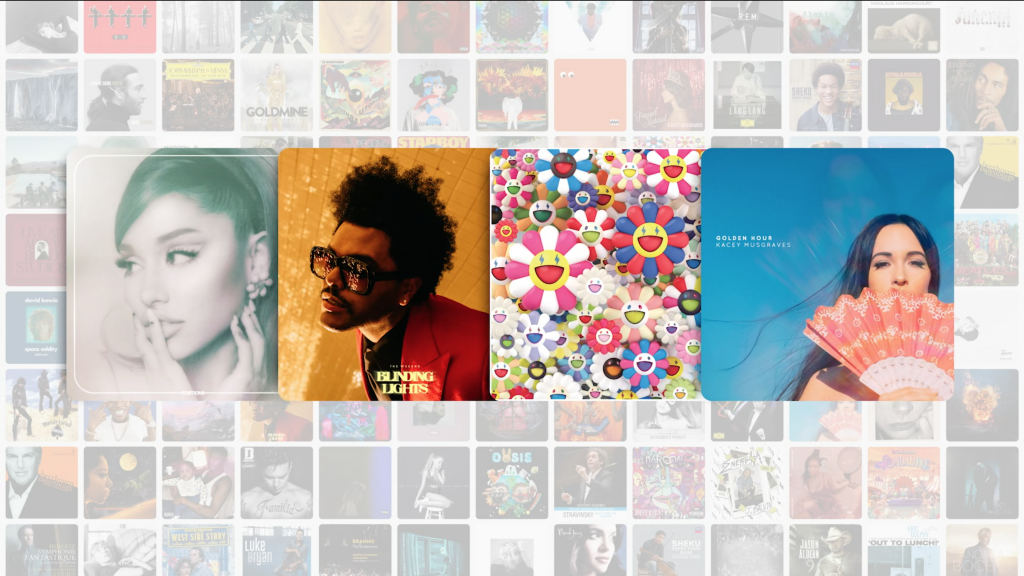
If you’re listening to Spatial Audio with Dolby Atmos, however, the list of compatible devices widens in scope.
Originally posted 2023-09-11 11:14:56.