When I play open world games, I am always surprised by how free my feelings are in this virtual world. But over time, I realized that the decision in my game was far from random-they connected directly with my personal values. Why do I help NPC random even when I don’t have to do it? Why do I choose honesty in dialogue, or, on the contrary, sometimes trying to cheat? These moments make me reflect on how our personality shapes our game playing behavior. Open world projects have become a kind of mirror, which reflects who we are outside the screen.
Moral dilemma and inner honesty
Many open world games are built around moral choices: saving villages or pursuing your own goals, helping the weak or acting for personal benefits, honest or using deception. These decisions seem pure in the game, but when I think about it, I realize that they are closely related to my personal views and principles. Every time the game gives me a choice like that, it feels like I take honesty and inner resistance tests. For example, even in simple mobile games like Board Kings, where they offer Free roll board board, I chose a careful strategy, avoiding unnecessary risks. I did not act like this because I was afraid of losing, but because in real life I was accustomed to thinking about things -happily, weighing risks and consequences. This is a reflection of my heart and my encouragement to act with consideration, which unexpectedly appeared even when the bet was only a virtual bonus.
The decision in this small game actually reveals how we bring our real life values to the digital world. When I have the opportunity to act dishonestly in the game – like deceiving NPC or exploiting bugs for my benefits – I usually don’t do it. Why? Not because I am afraid of punishment (maybe even in the game), but because it is contrary to my personal principles. I understand that even in the virtual space, I want to remain loyal to my own honesty, justice, and responsibility. In this way, the open world game becomes a true mirror, letting me see who I am still in places where no one holds me.
Freedom or order?
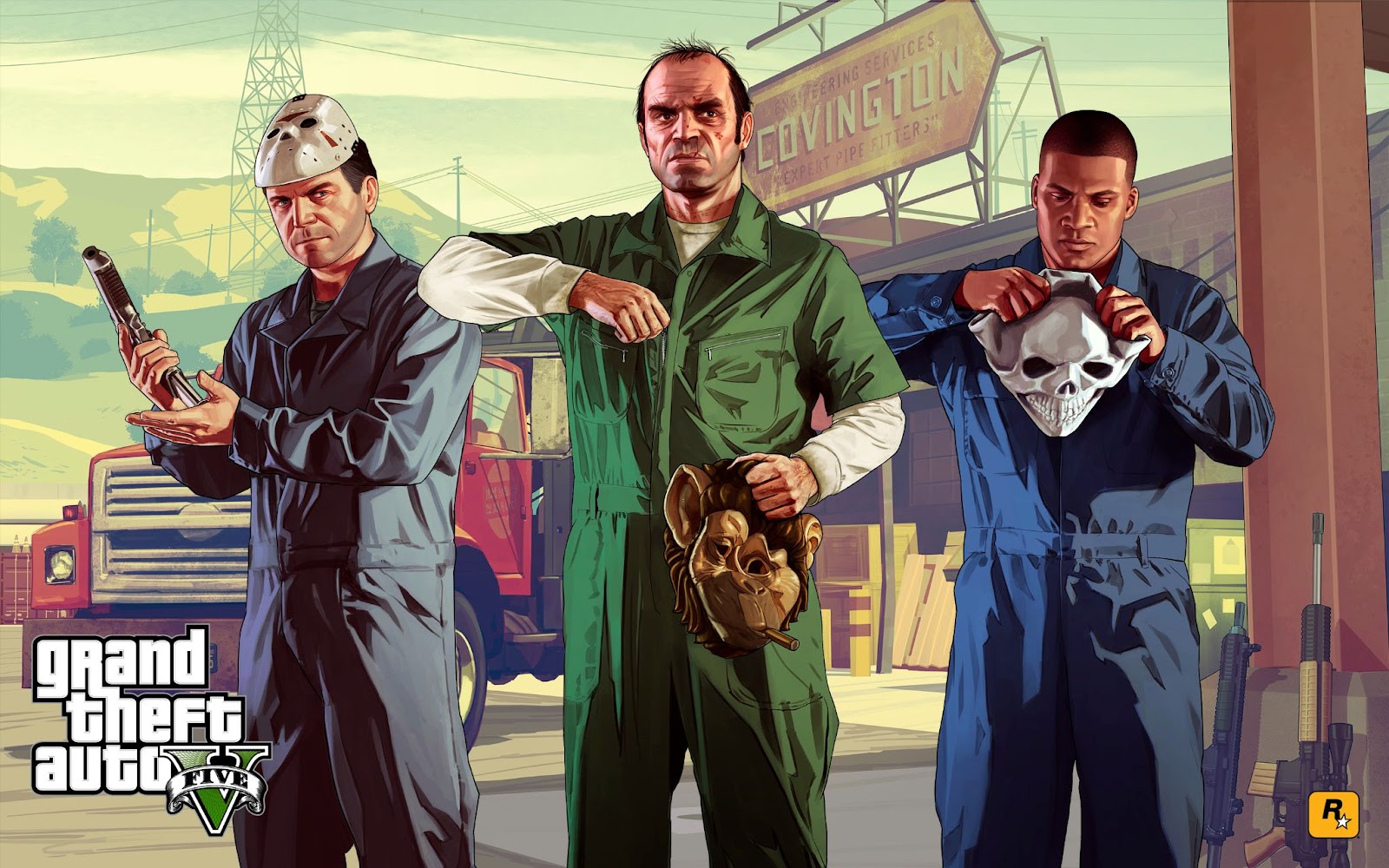
It is very interesting to observe how, in a game where you have full control over your character – like Skyrim or GTA – I find myself in facing choices: should I use that freedom to create chaos, or should I still hold on to my own principles? This game offers almost unlimited possibilities: you can attack people passing by, causing chaos, provoking guards, or, on the contrary, helping everyone you meet and maintain order in the world of games. But what do I choose? Can I let myself let go of chaos just because there are no real life consequences? Or do I remain loyal to my inner rules: Don’t harm innocent people, even if the game will not punish me for that?
The more I play, the more I realize that this choice is not just about games – it reflects how I see freedom in real life. For me, freedom is not about having no limits; This is about responsible for the consequences of my actions. Even in a situation where no one watched what I was doing (either in the game or in real life), I felt that I had to act according to my internal moral code. And this rule applies even when the whole world of the game seems to whisper: “Please, destroy limits – here, whatever is permitted.” I believe that at this time, the game becomes the right test of personal values, shows that we are ready to maintain order and take responsibility even in places where everything around us pushes towards the opposite.
Value and self -identity
I often wonder why, in open world games, I am very interested in the role or class of certain characters. Being a witch or soldier, thief or paladin – this is not just about curiosity or mechanical game that I enjoy. On the one hand, it reflects how I see myself, my wishes, ambitions, and even my dreams. Some people choose soldiers because they are looking for strength and want to feel invincible; Others choose Mage to master hidden knowledge and use strong spells; Some take the path of thieves to experience freedom and independence; And the others choose Paladin to help others, protect the weak, and support justice.
These choices express our inner attitude more than just first sight. When I chose a character that healed and supported the allies, I might meet personal needs to care for others. When I went to the wolf path alone, maybe I went through the times of independence that I sometimes missed in real life. And on the other hand – if I feel attracted to heroes who are contrary to the system, it might reflect my dissatisfaction with certain limits and rules. In the end, the choice in this game helps me understand myself better: what is more important to me-strength, wisdom, honor, or freedom? And that is why open world games are not just entertainment, but rather a space for self-identification and explore personal values.
Experiment and reflection
Of course, one of the most interesting aspects of the open world game is the opportunity to try things that feel inaccessible or even not possible in real life. Here, you can take the role of a criminal, traitor, or character with immoral beliefs and look at where it is. But when I dive into this experiment, I always noticed that I could never fully “turn off” my true values. Yes, I might try to play as a criminal or make some decisions or hard actions, but at a certain point, I began to feel internal tension – as if I was against myself, betraying what was important to me.
This discomfort is an important signal for me. This shows that even in the virtual world, where everything is conditional and can be reversed, I still remain loyal to my inner principle. The game offers a rare opportunity to see yourself from the outside: what makes me happy, what makes me stressful, and what gives me that anxious feeling. These moments become more than just episodes in games-they have turned into a real reason for reflection. Why do I feel uncomfortable, even when doing something bad only in the game? What is really important to me if, even in the full room, I choose to stay loyal to my moral principles? Questions like that, born from the experience of playing games, unexpectedly took me to deeper thinking about my own personality and values.
Conclusion
Open world games are not just entertainment; They are a space where our real life values appear to the surface. They allow us to see ourselves from outside, understand what drives us, and sometimes even rethink our perspectives. I believe that this is why the game remains so charming: they give us the opportunity to be ourselves – even if only in the virtual world.
Game Center
Game News
Review Film
Berita Olahraga
Lowongan Kerja
Berita Terkini
Berita Terbaru
Berita Teknologi
Seputar Teknologi
Berita Politik
Resep Masakan
Pendidikan
Berita Terkini
Berita Terkini
Berita Terkini
review anime