Some of my last blogs are, well, a little a downer. So, I think I will start things for 2025 with something on a lighter side. As you might know now, I grew up to TTRPG, especially D & D. I have played this kind of game since I was around 13 years old, and I really never stop. This is one of my favorite hobbies, up there by reading, video games, and so on.
Today, I want to share with your list of ten words and terms that enter my vocabulary from playing TTRPG and D&D specifically. Let’s dive directly.
1.) Encumbance
While the more modern D&D version uses break -even to show how many characters you can carry, I initially learned this word in the context of why you cannot do backflip or cast spells while in full plate armor. This came quite early in my game career when my magician character tried to wear heavy armor only to know that he could hardly maneuver when he was in it and could not throw his spell. No need to say, he threw the heavy armor with a fast enough after that and fired back Magic missile practical every opponent as an opening gamble.

2.) PC/NPC
I consider both as one because they are closely related. If you are not used to them, we have PCor “player characters” and NPCor “non-play character.” PC is a character played by people in TTRPG, and NPC is someone else. These terms finally migrate to video games. Central film idea Free man Depending on the audience knowing that men (played by Ryan Reynolds) are digital characters in online video games. When I hear the phrase “the main character energy,” my mind always happens “oh, so they are PCs, get it.”
3.) Gamemaster/Dungeon Master
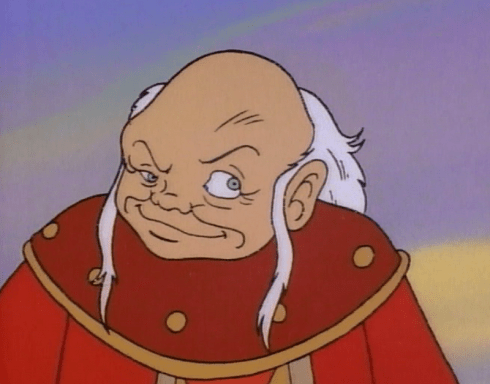
Roleplaying Table games have many names for this role on the table: gamemaster (or GM), judges, referees, storytelling, and basement masters. When I played D&D, I was used to the Palladium and Rolemaster RPG system, so I already knew someone to become a GM and GM-Ing game. Dungeon Master (or DM) is something I took from D&D because this is a special term for the game system (although I know from the cartoon first, not the game). Even today, I tend to use the term “GM” which is more common, even when referring to D&D. It might also have something to do with being easier to explain to family members who are not accustomed to TTRPG that you are a gamemaster than A Master Dungeon.
4.) Metagame
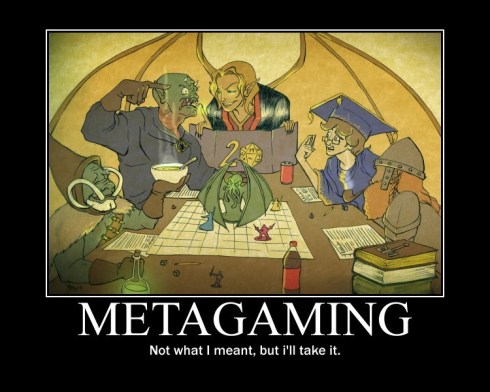
Initially, this concept came to me as a difference between “player knowledge” and “character knowledge.” So, if you play grog, the second level barbar, you (the player) may know how fast the speed of light, but the possibility is grog (character) won’t Have instructions about that. So, those who will use the knowledge of their players as a substitute for their character knowledge (ie Grog suddenly understand sophisticated physics) Metamaring said. That is something that is sometimes owned by GMS/DM for the police, even though fortunately the players I have are very smart about this.
5.) Environment/Rune/Sigils
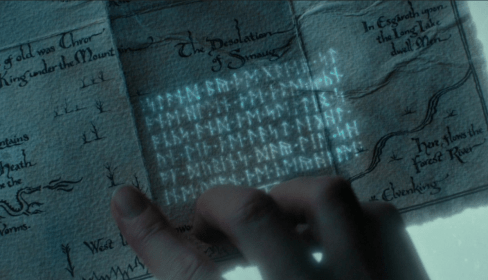
Once again, I group this together because they are similar. I know Rune before playing D&D from learning about the real world alphabet running. Through the game, I learned about them as something that was inherent. So, a magician or magic user might write or carve a symbol into something and then inspire the symbol with a kind of mantra or magical effect. Sigils often works the same way, even though I always get the impression that Sigils is more ELF, while Rune is more dwarf (your fantasy distance may vary). The environment, although it does not have to be symbols, is a magical protection that can be placed in objects or areas to prevent intrusion, theft, or general skullduggery. However, the two runes And Sigils can act as a ward. Magic!
6.) Dweomer
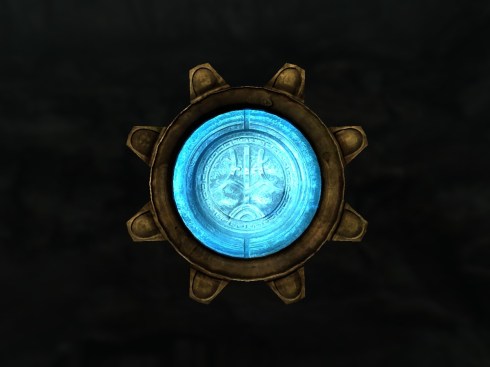
Often spoken “Dwimmer,” in terms of this game is often used to describe the aura inherent in items or magical places. Although this word is not widely used anymore, a more common expression is the “charm” of something. Amazed sword, fascinated forest, you get it-dweomer is a kind of sustainable or semi-permanent magical effect. I am also happy to find that the dwarf in Elder scroll The video game series (which is actually ELF) is called “DWEMER,” what is right considering that their knowledge of magic is the light year in front of others in the world.
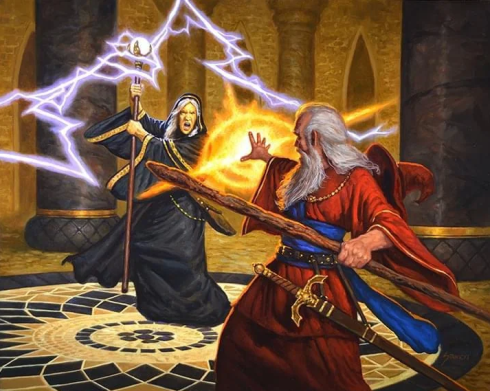
7.) Somatic
The description of the mantra in D&D generally has three types of components: vocalsSo the magic words spoken by Spellcaster; materialor small pieces of items that must be possessed by their castors (new proverbs and toe of frog), and finally Somatic component. The latter represents the bumpy bit by magic users with their hands, hand movements and complicated movements they must go through to carry a mantra. Until I read Player Handbook For the first time on that day, I had never found this term before.
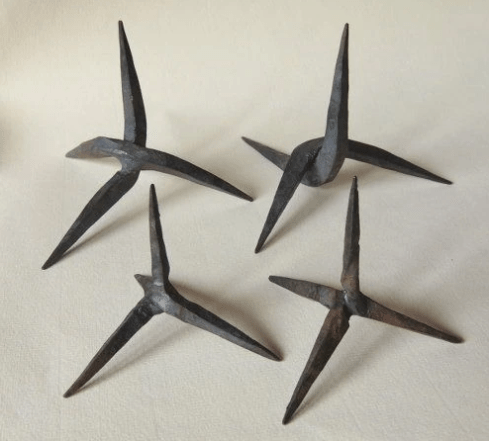
8.) Caltrops
Honestly, the first time I heard this term used, I thought that person said “cough drops.” Now I know that this is a little sharp metal that you can throw on the ground. Caltrops design in such a way that they do not care in which direction they landed, they have a point that sticks straight up. They are accustomed to inhibiting the opponent’s movements because the opponent in question needs to slow down to avoid stepping on them or running through them and the risk of facing wrath from what can be described as Tactical Lego Block.
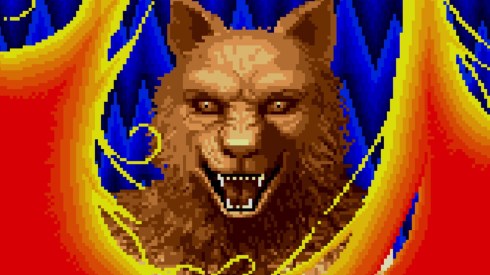
9.) Rise level
Sometimes I am surprised how far and broad the term is known and referenced. I saw a few days ago both the gap and the old Navy talked about the level of your experience. Possibly, it is to attract gamers, in particular Video gamers. But the term that I understand is really derived from the table room, and that’s where my own personal lexicon. There is only something cool about completing the game session and knowing that your character has gone level. Final Fantasy victory music almost always appears in mind when this happens.
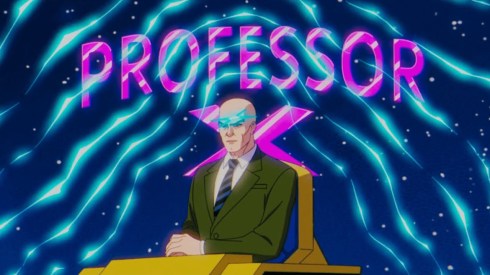
10.) Psionics
I first discovered this term in the Palladium Fantasy RPG settings when I played “mind mage,” users of psionics or mind magic. Then, when I play the RPG Traveler (which in the end will lead to my first novel), I found Zhodani who was a Psionic society. So, I think this one does not technically come from D&D as the title of this blog will suggest, but D&D does have psionics also further strengthened the concept in … (wait for that) … my mind.
Mention honorable
Playing TTRPGs has a way to change your brain when it comes to certain things. I included this section because there were five words, especially those that had changed permanently in my vocabulary to the game version. When words No Used in the context of the game, I have to push through my initial game reaction. You know, this is like when a strange song by Al Yankovic, but you still sing the lyrics of Aldang -Aneh. NO? Only me?
- Initiative
- Campaign
- Critical
- Meet
- Module
Last thought
I always believe that playing TTRPGs trains many parts of your mind. I am better in mathematics, managing money, tactical and strategic thinking, acting and improvisation, funny voices, and world development because I play these games. Besides that, that Big For vocabulary. The words and terms that I show here are only the summit of the iceberg.
If you are a gamer from this game, you might know exactly what I am talking about. If you are interested but have never tried it, I strongly recommend that you do it. Adventure and a world that you can hardly imagine waiting for you out there.
Thank you for reading!
News
Berita
News Flash
Blog
Technology
Sports
Sport
Football
Tips
Finance
Berita Terkini
Berita Terbaru
Berita Kekinian
News
Berita Terkini
Olahraga
Pasang Internet Myrepublic
Jasa Import China
Jasa Import Door to Door